

Table of Contents
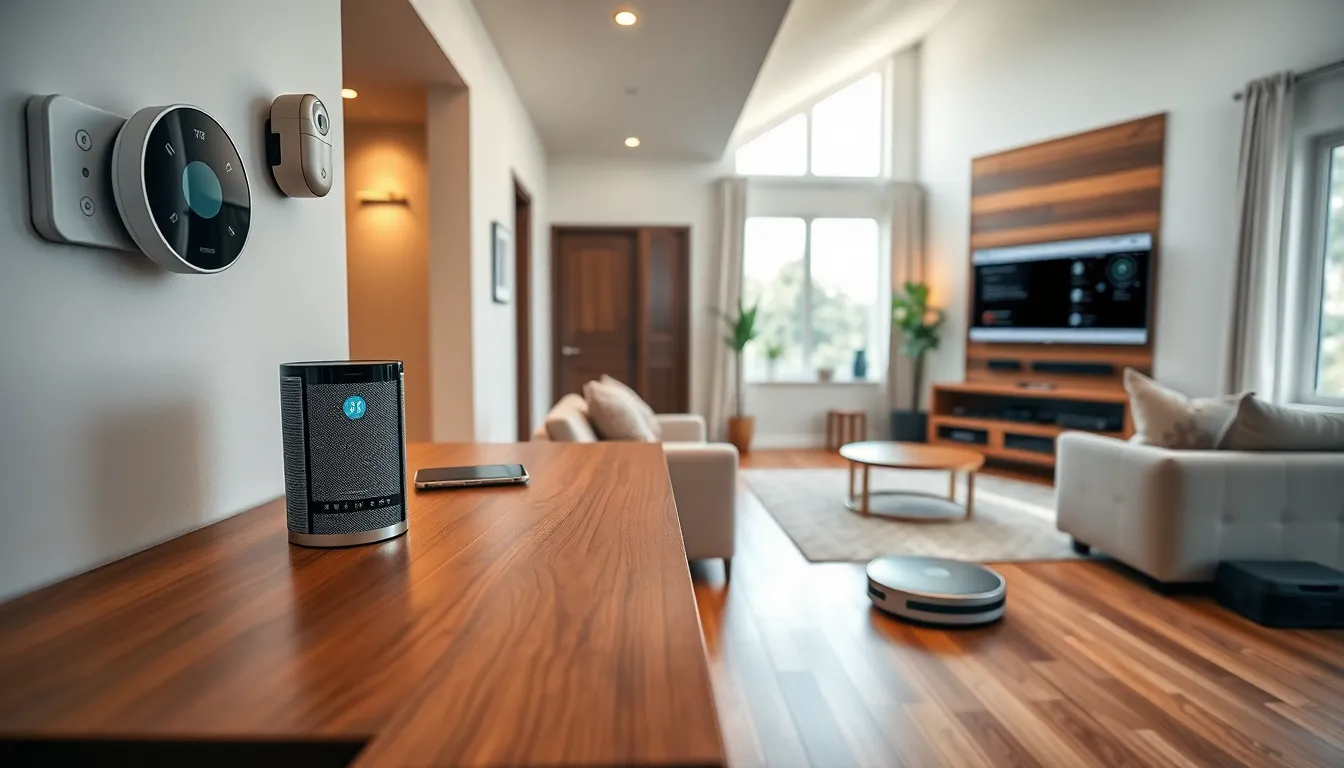
ToggleSmart home tech examples show how everyday devices now connect, automate, and simplify household tasks. From voice-controlled speakers to intelligent thermostats, these technologies save time, cut energy costs, and boost convenience. The global smart home market continues to grow as more households adopt connected devices. This guide covers the top smart home tech examples that are changing how people live, work, and interact with their homes.
Key Takeaways
- Smart home tech examples range from voice assistants and smart lighting to security systems and connected appliances, all designed to simplify daily life.
- Voice assistants like Amazon Echo and Google Nest serve as central hubs that control multiple smart devices with simple spoken commands.
- Smart thermostats can save 10-15% on heating and cooling bills by learning your schedule and adjusting temperatures automatically.
- LED smart bulbs use at least 75% less energy than traditional incandescent lighting while offering customizable colors and scheduling.
- Smart security devices including video doorbells, cameras, and smart locks provide 24/7 monitoring and remote access from anywhere.
- Connected appliances and entertainment systems bring smart home tech examples into kitchens, laundry rooms, and living spaces for seamless automation.
Voice Assistants and Smart Speakers
Voice assistants serve as the central hub for many smart home setups. Devices like Amazon Echo, Google Nest, and Apple HomePod respond to spoken commands and control other connected gadgets throughout the home.
These smart speakers do more than play music. They set timers, answer questions, read news updates, and manage shopping lists. Users can ask their voice assistant to dim the lights, lock the front door, or adjust the thermostat, all without lifting a finger.
Amazon’s Alexa supports over 100,000 skills, which are essentially voice-activated apps. Google Assistant integrates tightly with Google’s search capabilities, making it excellent for answering complex questions. Apple’s Siri focuses on privacy and works seamlessly with other Apple devices.
For households with multiple smart home tech examples running at once, voice assistants act as the command center. They eliminate the need to open different apps for each device. A single voice command can trigger routines, like saying “good morning” to turn on lights, start the coffee maker, and read the day’s weather forecast.
The convenience factor is hard to overstate. Seniors and people with mobility challenges find voice control especially useful. Kids can ask for assignments help. And busy parents can multitask more effectively.
Smart Lighting Systems
Smart lighting ranks among the most popular smart home tech examples because it’s affordable and easy to install. Brands like Philips Hue, LIFX, and Wyze offer bulbs that connect via Wi-Fi or Bluetooth.
These bulbs let users adjust brightness, change colors, and set schedules through smartphone apps. Many support voice commands through Alexa, Google Assistant, or Siri. Some systems include motion sensors that turn lights on when someone enters a room.
Color-changing bulbs create different moods for different activities. Warm tones work well for relaxing in the evening. Bright white light helps with focus during work hours. Some people sync their lights with movies or music for an immersive experience.
Energy savings add up quickly. Smart bulbs use LED technology, which consumes far less electricity than traditional incandescent bulbs. Scheduling features ensure lights turn off when no one’s home. According to the U.S. Department of Energy, LED bulbs use at least 75% less energy than incandescent lighting.
Smart switches and dimmers offer another option. They replace existing wall switches and work with standard bulbs. This approach costs less upfront if a home already has many light fixtures.
Home Security and Surveillance
Smart security systems represent some of the most practical smart home tech examples available today. Video doorbells from Ring, Nest, and Eufy let homeowners see who’s at the door from anywhere via smartphone.
These devices record video, detect motion, and send instant alerts. Two-way audio allows users to speak with visitors or delivery drivers remotely. Some models include package detection features that specifically watch for deliveries.
Indoor and outdoor cameras provide 24/7 monitoring. Cloud storage options keep footage accessible for weeks or months. Local storage alternatives appeal to privacy-conscious users who prefer keeping recordings on-site.
Smart locks add another layer of security. Brands like August, Schlage, and Yale offer locks that open with codes, fingerprints, or smartphone apps. Homeowners can grant temporary access to guests, dog walkers, or contractors. They can also check lock status remotely and receive notifications when doors open.
Complete security systems from companies like SimpliSafe, ADT, and Abode combine sensors, cameras, and professional monitoring. These systems detect break-ins, fires, and water leaks. Many integrate with other smart home tech examples for unified control through a single app.
Smart Thermostats and Climate Control
Smart thermostats deliver both comfort and cost savings. The Nest Learning Thermostat, Ecobee, and Honeywell Home models lead this category of smart home tech examples.
These devices learn household schedules and adjust temperatures automatically. They detect when no one’s home and reduce heating or cooling to save energy. Remote control through smartphone apps means users can adjust settings from work or while traveling.
The Nest Learning Thermostat claims to save users an average of 10-12% on heating bills and 15% on cooling bills. Ecobee includes room sensors that detect occupancy and temperature in different areas, preventing hot and cold spots.
Smart thermostats integrate with other devices for enhanced automation. They can work with smart blinds to block sunlight on hot days. They communicate with humidity sensors to maintain optimal indoor air quality. Some models display local air quality indexes and adjust ventilation accordingly.
Utility companies often offer rebates for smart thermostat installation. These incentives reduce the upfront cost and shorten the payback period. Many users recoup their investment within one to two years through lower energy bills.
Smart ceiling fans and portable air conditioners expand climate control options. These devices respond to temperature changes and voice commands, creating a more responsive home environment.
Connected Appliances and Entertainment
Connected appliances bring smart home tech examples into the kitchen and laundry room. Smart refrigerators from Samsung and LG feature touchscreens, internal cameras, and inventory tracking. Users can check what’s inside while shopping at the grocery store.
Smart ovens preheat remotely and adjust cooking times based on recipes. Some models include built-in cameras so cooks can monitor food without opening the door. Robot vacuums from iRobot, Roborock, and Ecovacs clean floors on schedule and return to their charging stations automatically.
Smart washers and dryers send notifications when cycles complete. They can download specialized wash programs and troubleshoot problems through companion apps. These features reduce wasted time and help clothes last longer.
Entertainment systems have embraced smart technology too. Smart TVs from Samsung, LG, and Sony offer voice control and app integration. Streaming devices like Roku, Apple TV, and Fire TV Stick turn older televisions into connected entertainment hubs.
Multi-room audio systems from Sonos and Bose play synchronized music throughout the home. Users control everything through apps or voice commands. These smart home tech examples create seamless entertainment experiences across multiple rooms.


